Spotted a boat in Paris? How to check its identity before booking
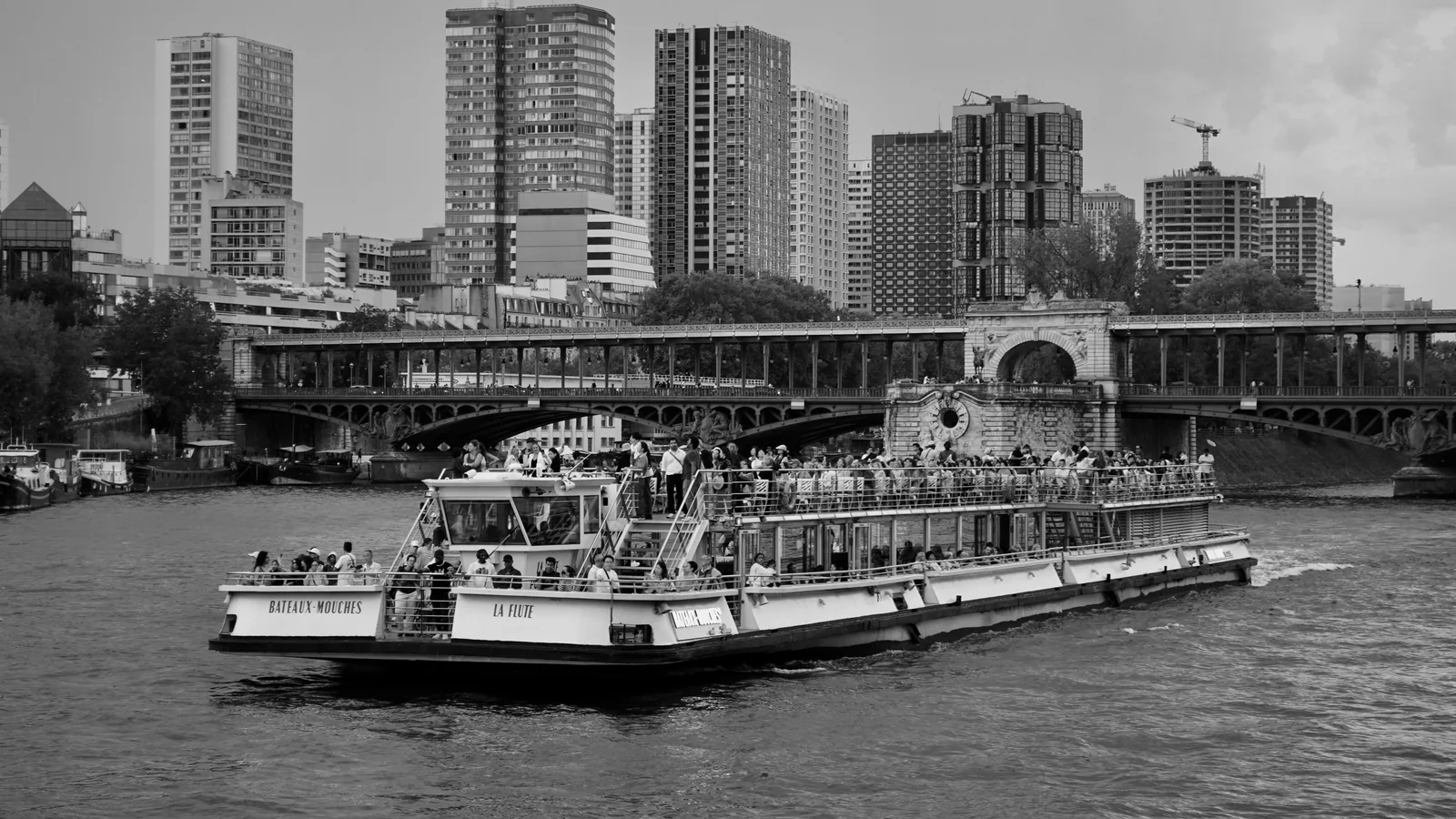
The essentials
Seen a boat in a photo? Learn how to distinguish the operator, its fleet and the cruise, then ask which vessel your booking covers.
- Date, time and flexibility.
- Operator, exact product and requested vessel.
- Ticket, meal, moored space or whole-boat charter.
In this guide
A name in a photo is not a booking confirmation
You may have photographed a boat on the Seine, recognised its outline, or found a fleet page with its name. Those clues can start an identification, but they do not tell you which boat will operate a particular service on your date, at your time, or for your chosen package. A picture can show a vessel in the fleet without showing the vessel assigned to your booking.
To avoid crossed wires, separate three things: the operator selling or running the service, the fleet it presents, and the cruise or service you choose. The company name does not identify one particular boat. A fleet list describes vessels; it is not a booking confirmation.
Use several clues to identify the boat
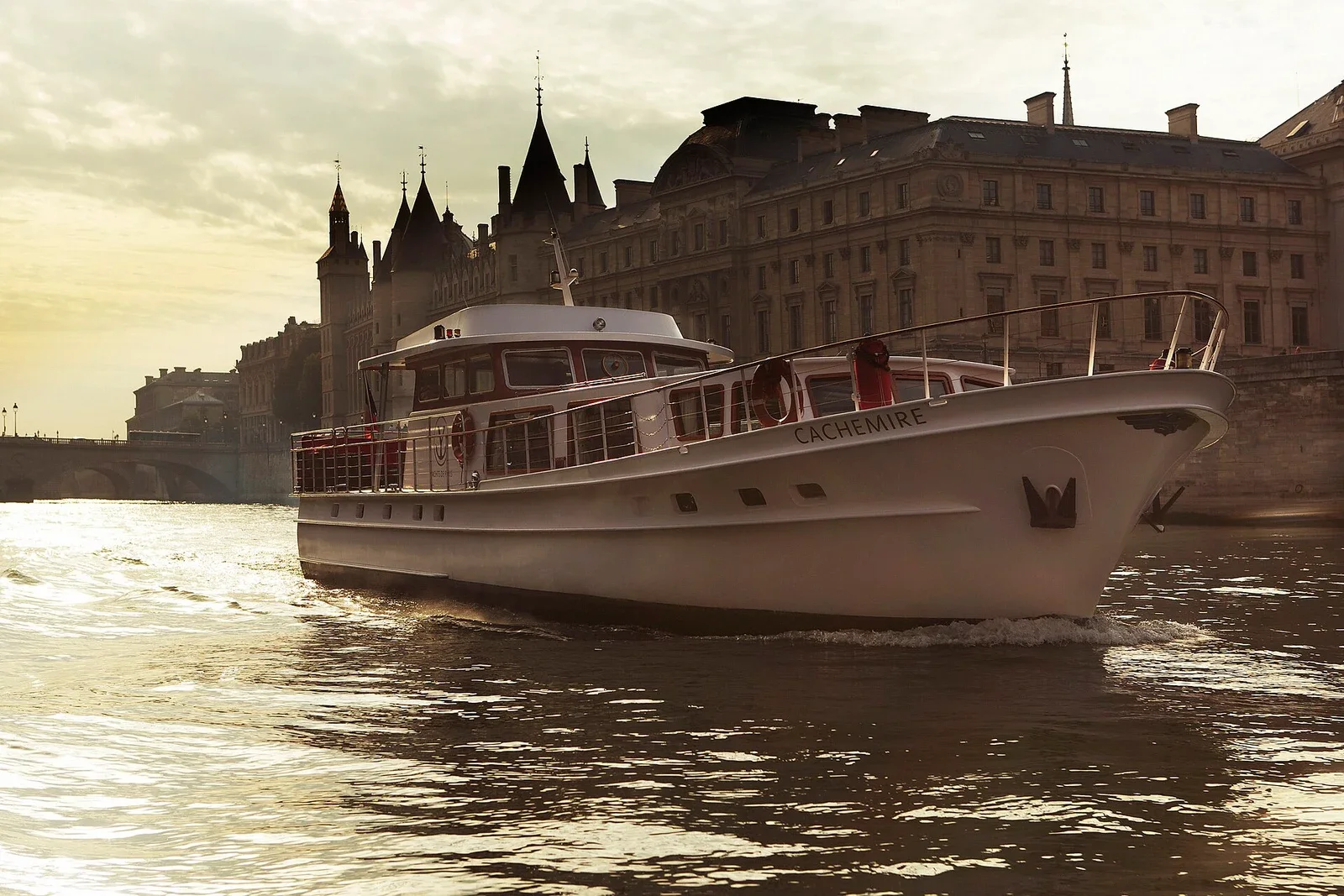
Write down the name visible on the hull, the shape of the bow, the number and arrangement of decks, the windows, colours and distinctive details. Note where and when the picture was taken. If you can, find another view of the same vessel and compare details that stay consistent, rather than lighting, seasonal decoration or passengers that may change.
Reverse image search or an official fleet page can help you form a hypothesis. Check whether the name and details match, while leaving room for uncertainty: boats can look alike, names may be hard to see, and photographs may be old. A descriptive fleet page is an identification source, not proof that the vessel will operate your booking.
Ask what the booking actually covers
Before booking, ask the seller which service is involved and whether a specific vessel is assigned to it. Distinguish a sightseeing cruise ticket, a meal reservation, a reserved space while moored, and a charter of the entire boat. Those are different experiences. Also ask which document records the answer: an accepted quote, booking confirmation, ticket or written exchange.
Bateaux Parisiens’ FAQ says that for its restaurant cruises, a particular boat cannot be guaranteed and deployment may vary with bookings. That statement applies to that operator’s restaurant cruise category. It does not establish how all its sightseeing cruises, all private offers, or other companies’ services work.
If a boat may change, compare the experience
A boat change can matter because your real need may be more concrete than a name: one table for the group, outdoor space, step-free movement, or a timetable that fits your plans. Ask what would differ if the vessel were substituted. Do not assume that a change automatically gives you a right to cancel or receive a refund; the terms depend on the offer and should be checked with the seller.
Compare useful details: dimensions and layout, dining arrangement, access to outdoor areas, movement and mobility on board, sailing or remaining moored, duration, departure time and boarding quay. If something is essential, state it as a criterion to confirm in the proposal. A general capacity figure does not confirm that the layout will suit your event.
A private charter still needs clear confirmation
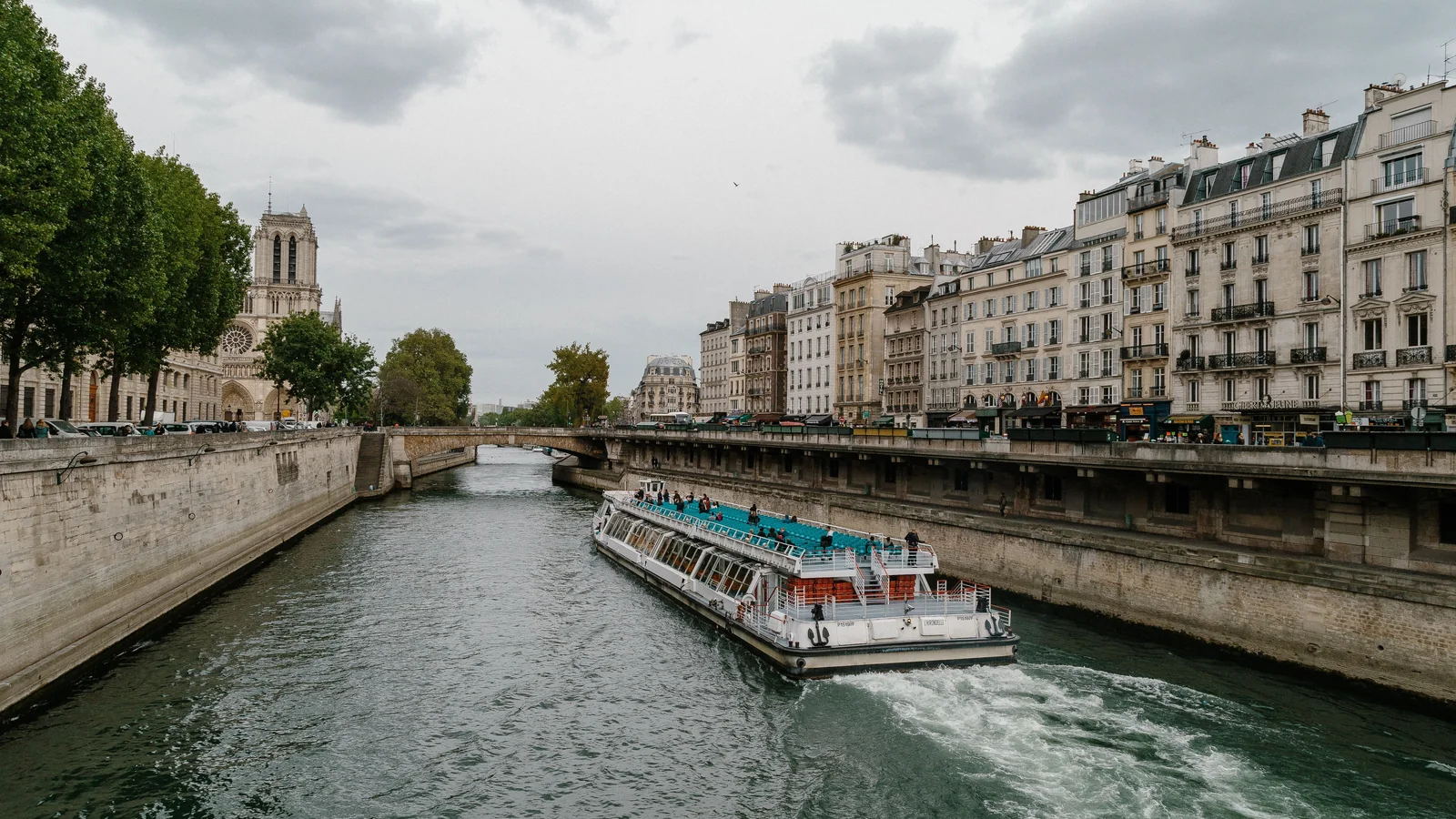
The word “private” alone does not prove that the boat you saw will be assigned to you. Ask whether the quote covers the whole boat or part of it, which vessel is proposed, and where that information will appear in the confirmation. Naming a boat in a proposal helps define what is offered, but do not assume that it rules out every substitution: ask how the seller handles that situation and have the agreed points recorded in writing.
Bateaux-Mouches’ sales terms distinguish sightseeing tickets, restaurant reservations and charter enquiries. That distinction is a reminder to check the terms for the product you are considering. L’Espoir, listed in the Bateaux-Mouches fleet, illustrates the difference between a published vessel name and a confirmed assignment. A fleet listing does not show that it is available or booked for a date.
Send a short, specific request
Include the date, group size, boat you have spotted and the criteria that matter most. Ask whether that vessel can be confirmed, when, and which features would be preserved if a replacement were needed. Present preferences as questions, not guaranteed features. Keep the reply and final booking document together with the same details so there is less room for misunderstanding.
Template: “Hello, for [date] we are [number] people looking for [cruise or event type]. We noticed [boat name]. Can you confirm whether this vessel is proposed for this service and include it in the quote and confirmation? Our essential criteria are [list]. If a change is considered, please identify the proposed boat and explain any differences in dimensions, dining layout, outdoor access, mobility, sailing, duration and quay.”
Your checklist
- Date, time and flexibility.
- Operator, exact product and requested vessel.
- Ticket, meal, moored space or whole-boat charter.
- Written record stating whether the vessel is confirmed or requested.
- Dimensions, dining layout and outdoor access.
- Mobility on board, sailing, duration and boarding quay.
- What to ask if a replacement is proposed.
Sources and references
 Paris news
Christmas at the Tuileries 2026: market or fairground?
From 14 November 2026 to 3 January 2027, choose between the Tuileries market, seasonal treats and attractions. Check the hours before you go.
 A place in Paris
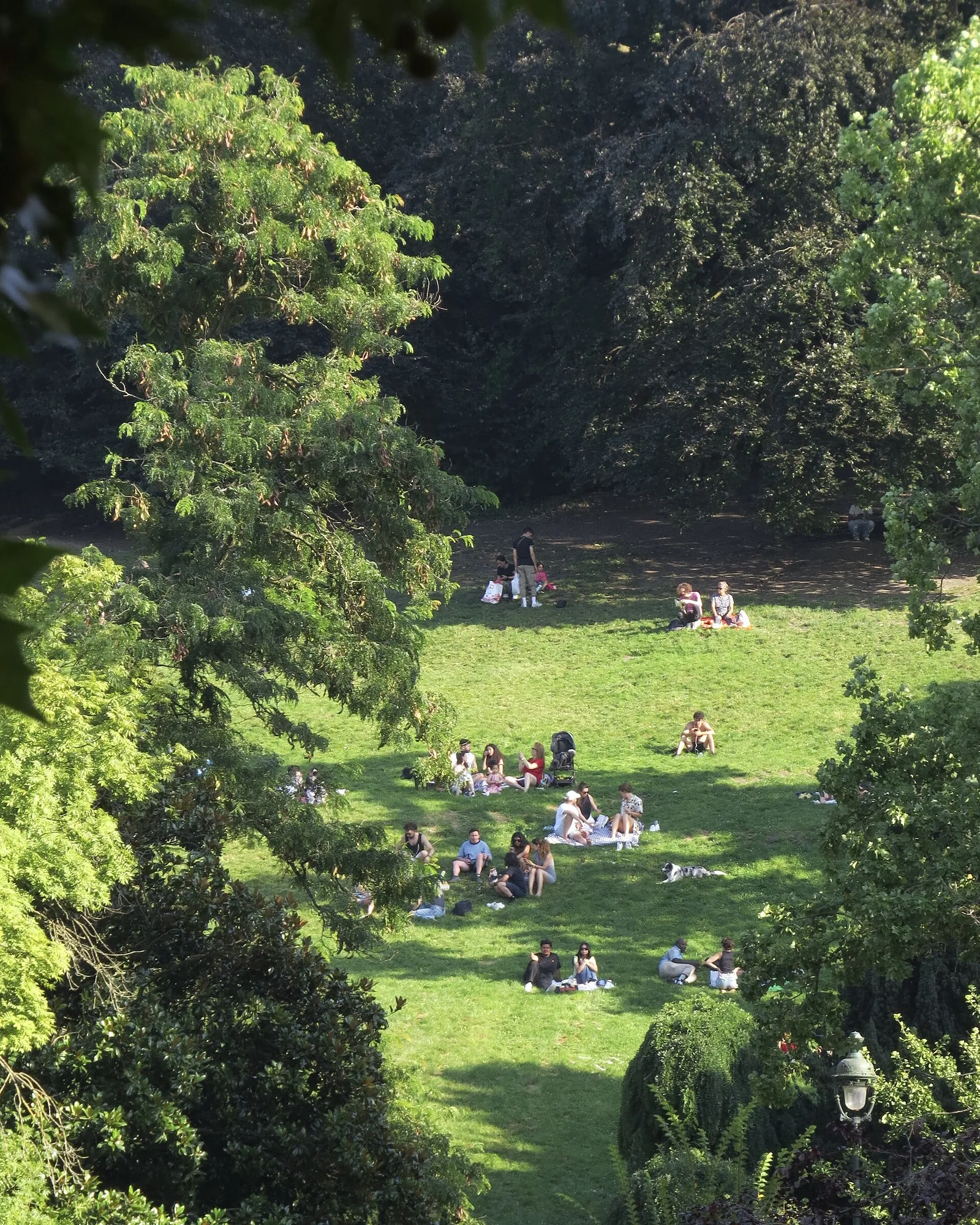
Buttes-Chaumont: a walk through the open areas
A thoughtful walk among the slopes, trees and designed landscape of Buttes-Chaumont, adjusted to current closures.
 Guides
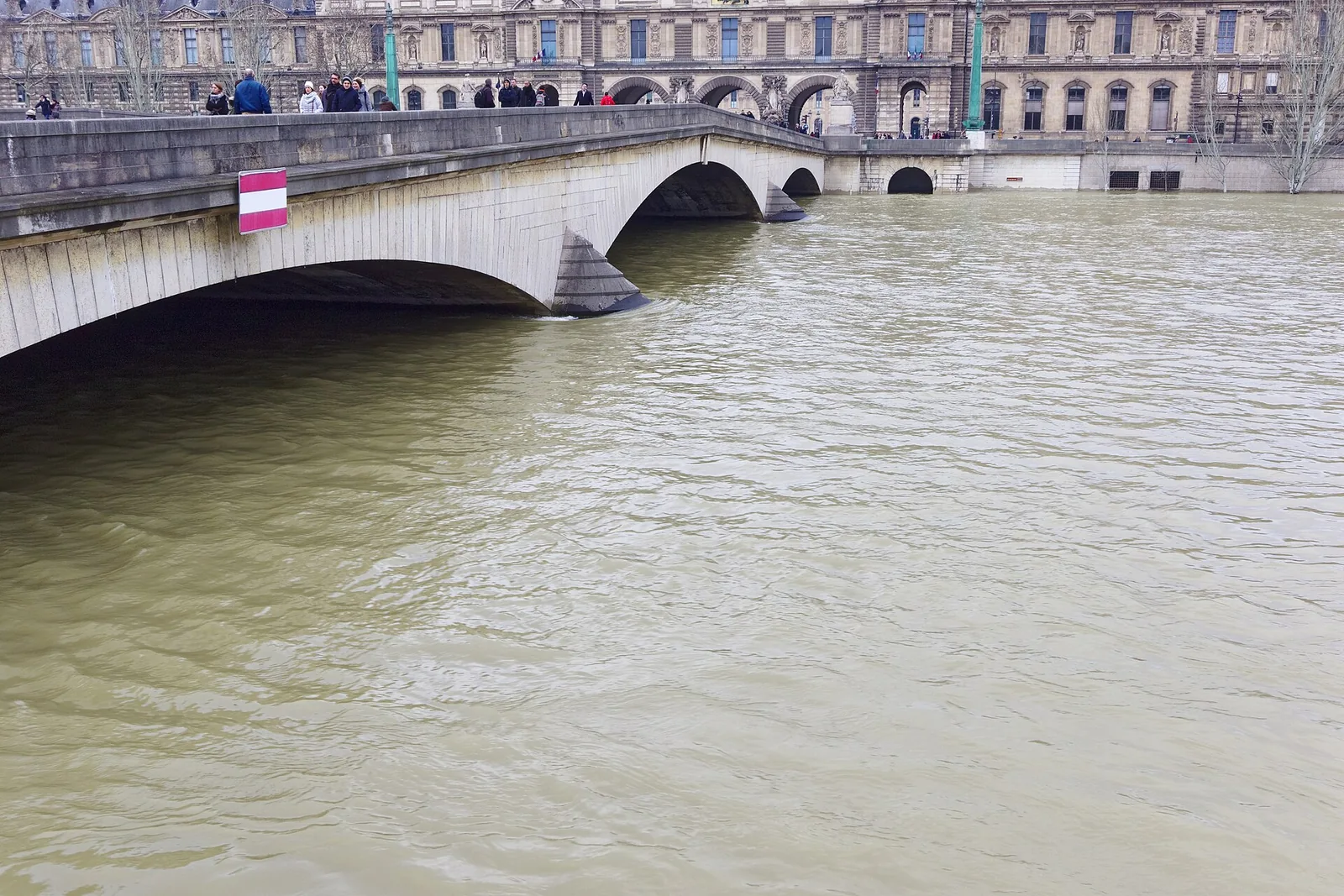
Rain and floods: planning a private boat outing
Rain, rising water or a closed riverbank: practical checks before a private trip on the Seine, without confusing weather with a navigation decision.