Musée d’Orsay: read the former station, choose your way through
The essentials
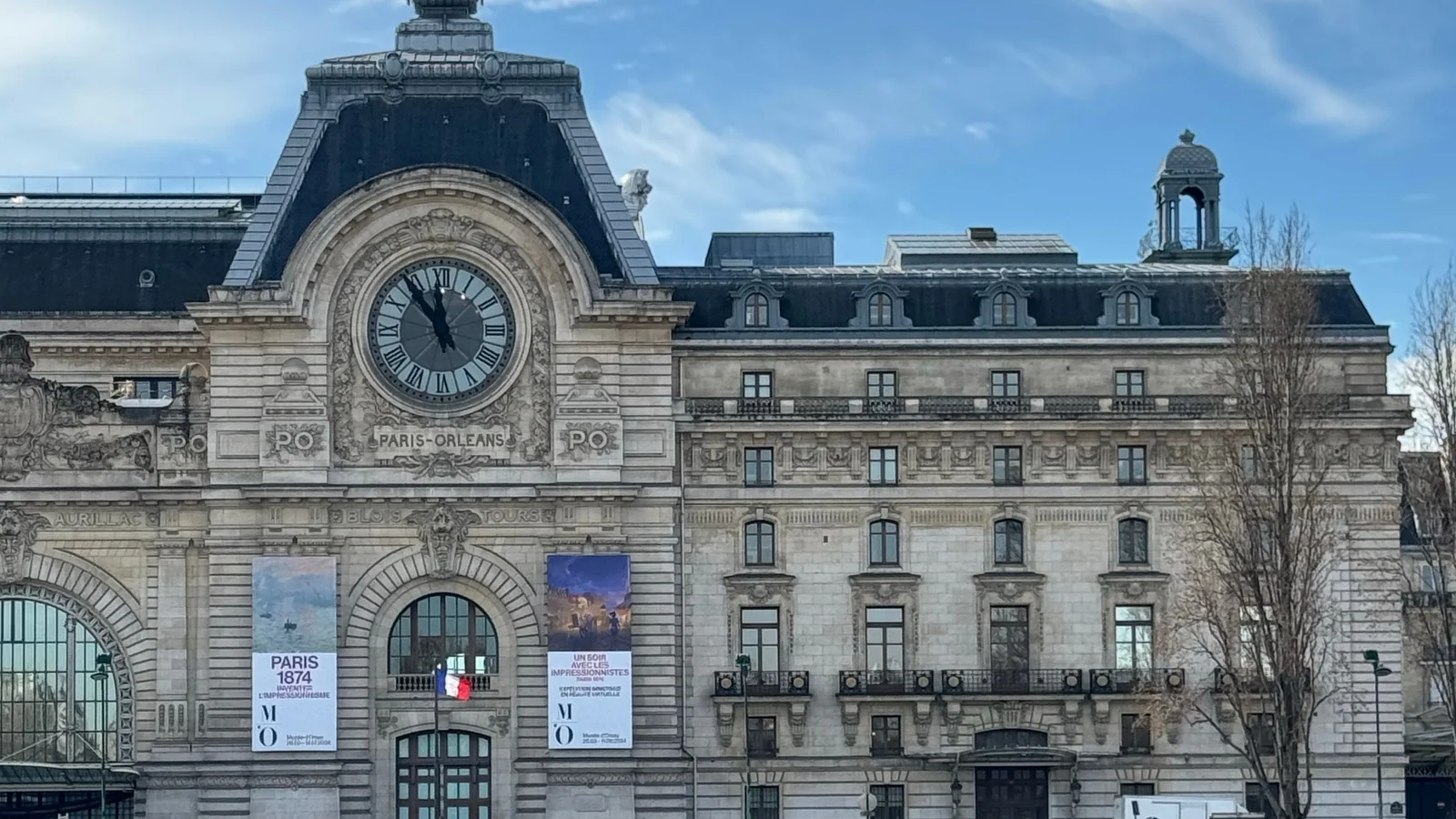
A museum in a former station built for the 1900 Exposition: a guide to its collections, current welcome works and an optional continuation on the Seine.
- Choose one visit thread: architecture, period or medium.
- Remember that the collections cover the arts from 1848 to 1914.
- Check the official page for access, visitor maps and ticketing.
In this guide
A former station sets the scene
The Musée d’Orsay is housed in a former railway station created for the 1900 Exposition universelle, along the Seine. That origin gives the visit a useful double focus: you are entering an art museum, but also a building conceived around travel and arrival.
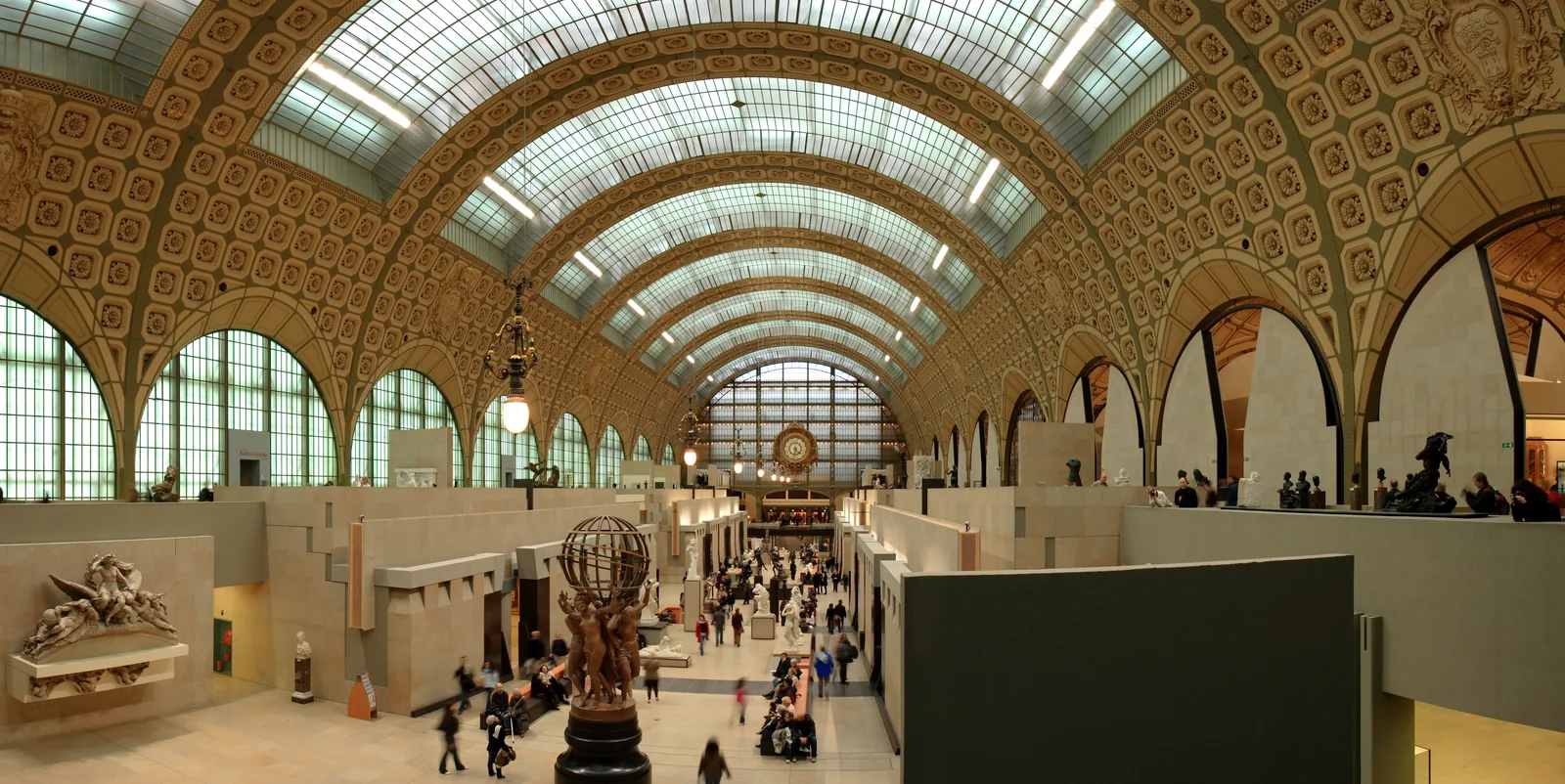
The museum opened to the public on 9 December 1986. Before looking for a route through the collections, take the architecture as a first subject. It can be your guiding thread, even if you arrive without a detailed knowledge of the station’s history.
Choose a period or a medium
The collections span the arts from 1848 to 1914. Painting ranges from realism to post-impressionism, alongside sculpture, decorative arts, photography and architecture. It is a broad field, and a first visit feels more rewarding when it has a focus than when it tries to cover everything.
Ask what interests you most: changes in painting, sculptural form, or the different ways artists worked across media. These are ways to direct your attention, not a promise that a particular work or room will be available on the day.
Check the current welcome arrangements
The museum is carrying out work to improve its visitor welcome while remaining open, with adapted access. It is a practical detail to factor into your planning, since entry guidance can change while the works continue.
Before you go, consult the museum’s official visitor page for access information, ticketing and visitor maps. Use it as your reference for the day you plan to visit rather than assuming that every entrance arrangement or route will stay the same.
Let the Seine continue the day
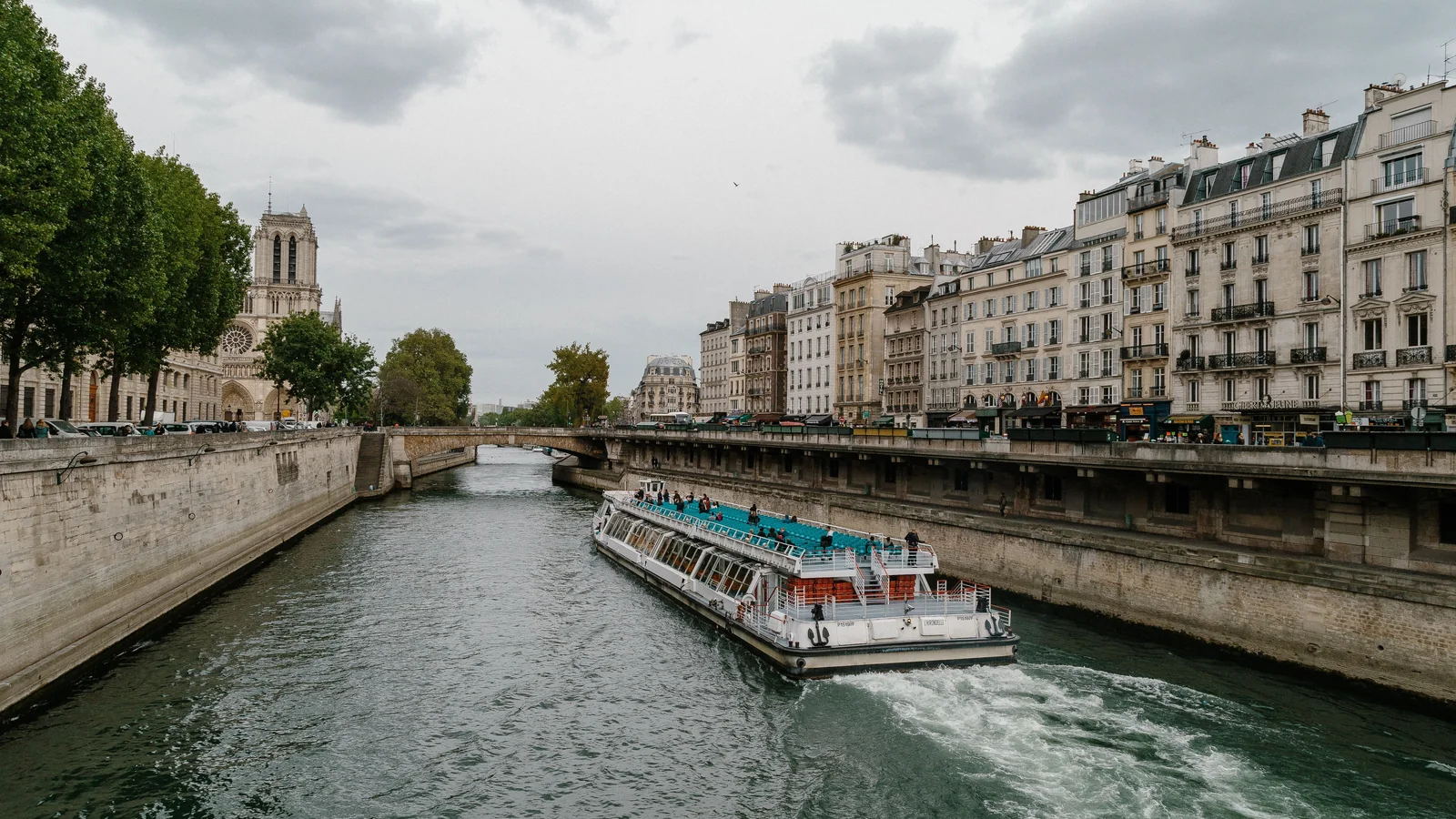
After the galleries, the Seine offers a different perspective on Paris: attention shifts from the collections to the city seen from the water. A sightseeing cruise can be a natural continuation if you would like to keep the day gently focused on culture.
For time with your own group, you can also submit a request for a private boat. That request follows a separate process and remains subject to operator confirmation; sending it does not mean the booking is confirmed.
Plan the museum and boat separately
Treat the museum visit and any boat outing as independent plans. Check the museum’s own information for entry and tickets, then explore sightseeing or private boat options separately for the Seine.
This leaves room to shape the day around what you most want to see. Pick a thread for the museum first, then decide whether time on the water suits the rest of your plans. Recheck the museum’s practical visitor information before you set out.
Your checklist
- Choose one visit thread: architecture, period or medium.
- Remember that the collections cover the arts from 1848 to 1914.
- Check the official page for access, visitor maps and ticketing.
- Factor in the welcome works and adapted access announced by the museum.
- Consider a Seine sightseeing cruise as a separate activity.
- For a private boat, submit a request and await operator confirmation.
Sources and references
 Paris news
Christmas at the Tuileries 2026: market or fairground?
From 14 November 2026 to 3 January 2027, choose between the Tuileries market, seasonal treats and attractions. Check the hours before you go.
 A place in Paris
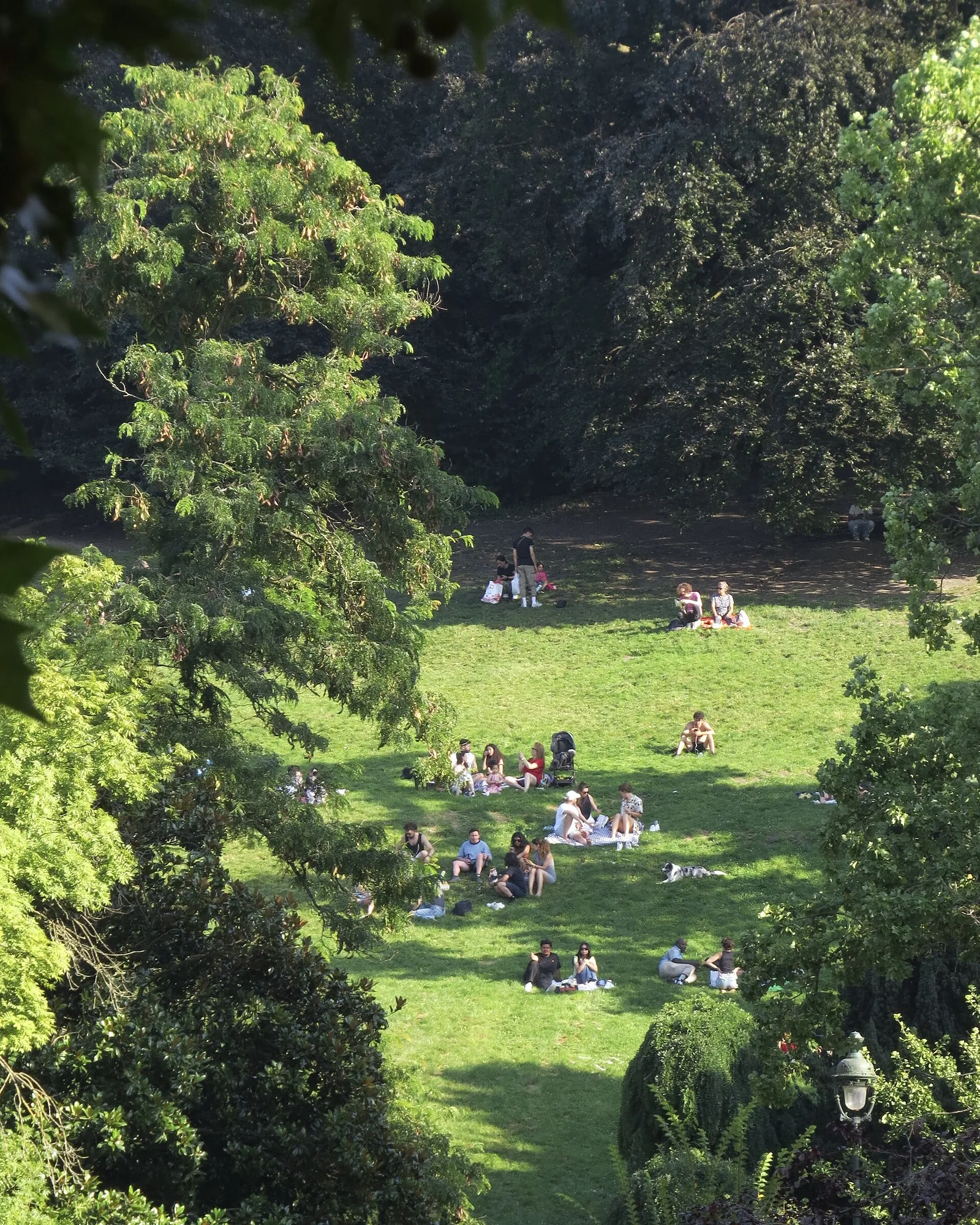
Buttes-Chaumont: a walk through the open areas
A thoughtful walk among the slopes, trees and designed landscape of Buttes-Chaumont, adjusted to current closures.
 Guides
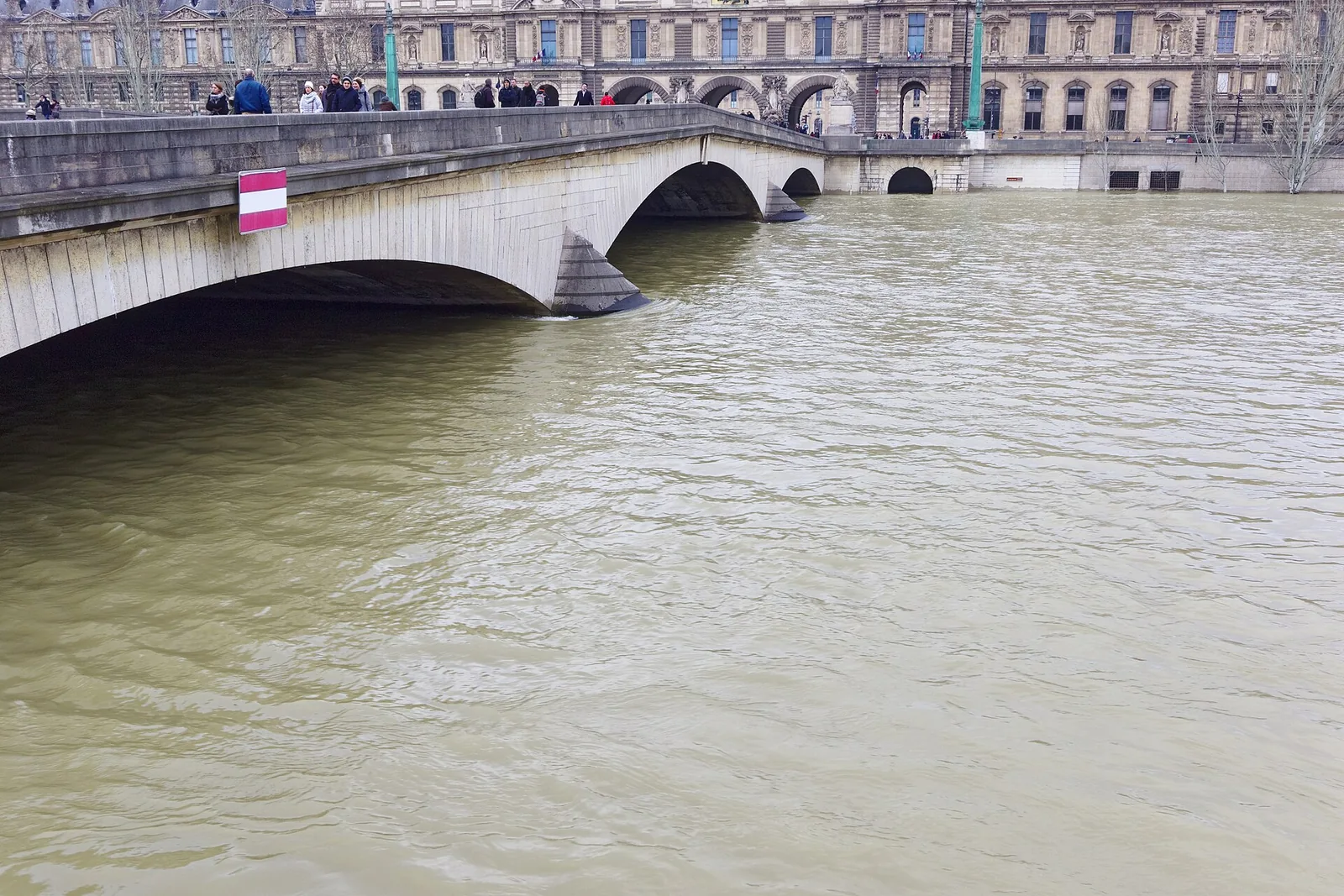
Rain and floods: planning a private boat outing
Rain, rising water or a closed riverbank: practical checks before a private trip on the Seine, without confusing weather with a navigation decision.