Musée Carnavalet: choose a thread through Paris history
The essentials
Follow shop signs, models or one historical period to explore Musée Carnavalet without trying to take in all of Paris at once.
- Choose a thread: shop signs, models, interiors or one period.
- Check the museum’s current rooms and practical information for your date.
- Arrive before the 17:15 last entry.
In this guide
Choose a question instead of trying to see everything
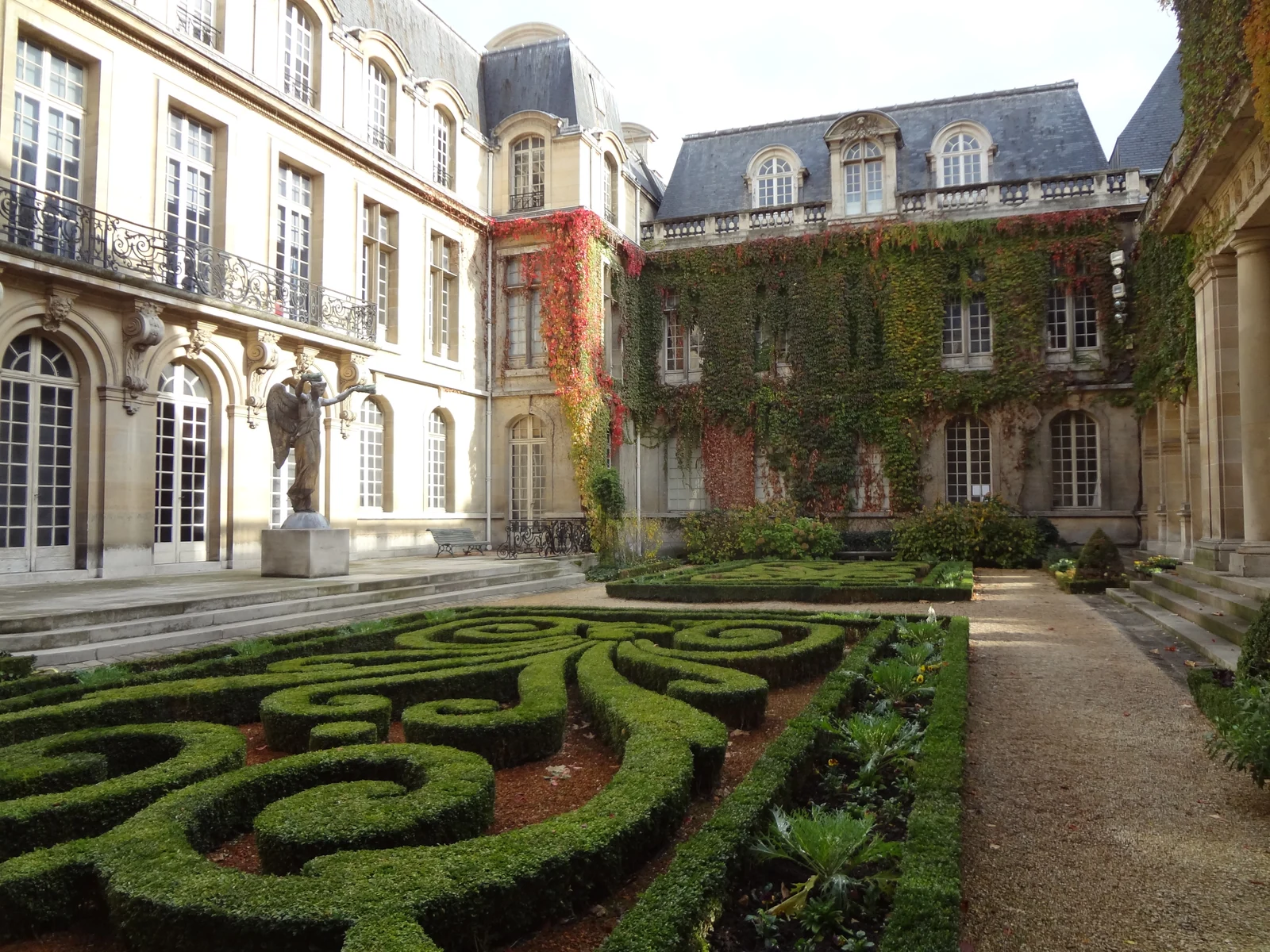
Musée Carnavalet tells the story of Paris across two Marais townhouses: the Hôtel Carnavalet and the Hôtel Le Peletier de Saint-Fargeau. Its permanent route spans prehistory to the present through objects, artworks, models and decorated rooms. The range is a reason to choose a question for your visit rather than trying to remember every gallery.
You might trace how a street changes, look at how people lived, or pick a period that interests you. A chosen thread gives the visit a shape: each object becomes a clue about the city and its residents. If you are visiting with others, agree on a theme together and leave room for discoveries along the way.
Read shop signs as evidence of everyday life
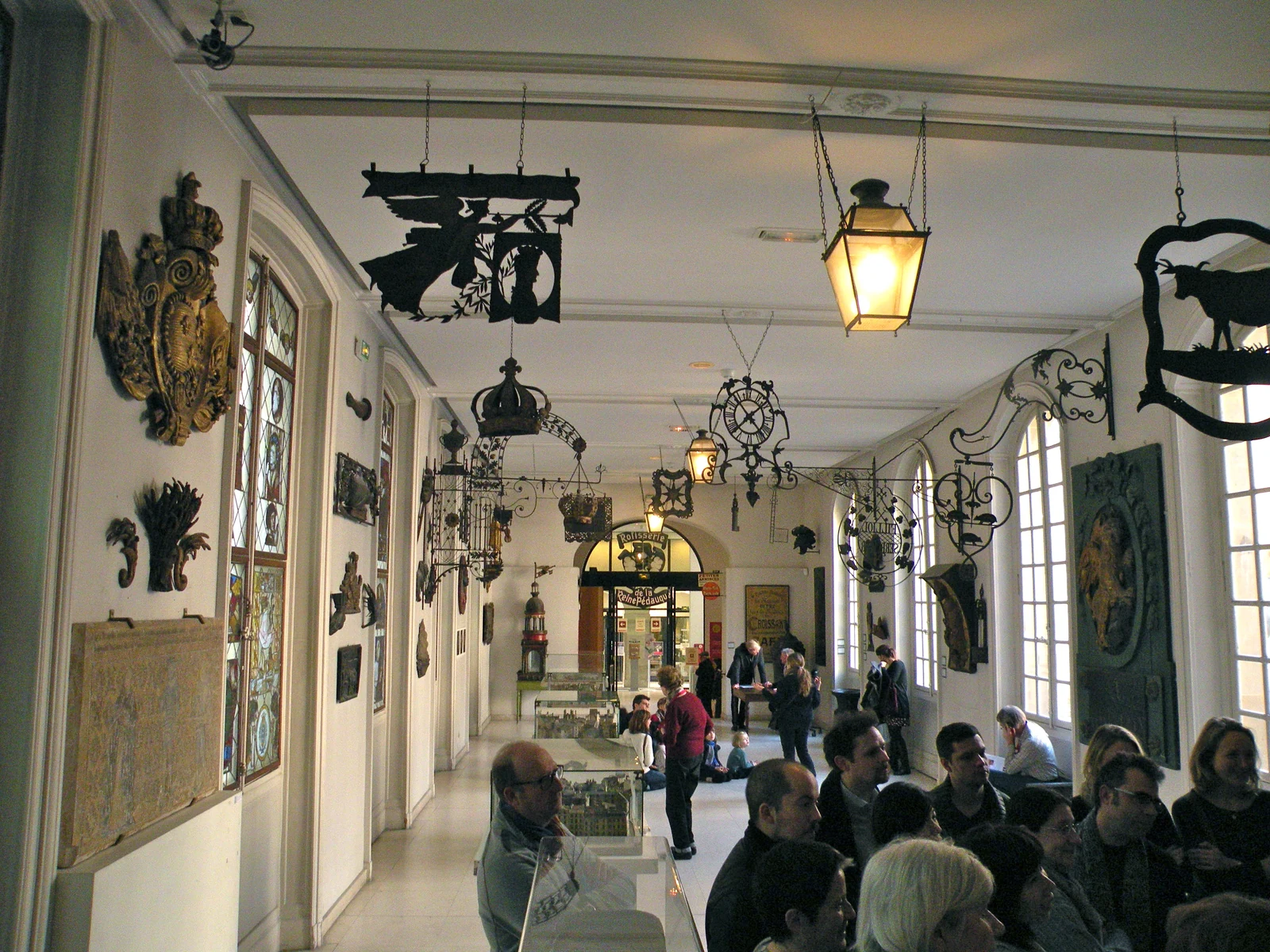
The galleries of shop signs offer a concrete way into the past: shops, trades and the ways people found their bearings in the streets. A sign may catch your eye through its shape or image; then ask what it advertised, whom it addressed and what it suggests about Parisian commerce.
Compare a few signs instead of passing them as a decorative collection. Notice differences in scale, material and design, and imagine how each might have been read from the street. This gallery provides a useful counterpoint to major events: city history also takes shape through ordinary routines and neighbourhood businesses.
Use a model to follow the city’s changes
Models and archaeological objects offer another way to read Paris: they make its layers visible. The new route includes finds associated with Bercy, among them an oak dugout canoe and traces of a settlement beside an earlier channel of the Seine. These objects document ancient occupation of the area, but they are only part of a much larger history.
At a model, choose one detail to follow: a waterway, boundary, square or relationship between buildings. Notice what seems to endure and what shifts across periods. You do not need to memorise every name to grasp the main idea: the city developed in layers, and objects let you read some of them.
Pick a period and check the visit details
The route is permanent, but your time is limited. One period or theme is enough to make a visit more coherent: you could focus on the Revolution, urban change or decorated interiors. Rooms and works on display can change, so check the museum’s current information before relying on a particular object being there on your chosen day.
The museum lists opening hours as Tuesday to Sunday, 10:00 to 18:00. The last entry to the permanent collections is 17:15, and rooms close at 17:45. Individual admission to the permanent collections is free and does not require a reservation; groups must reserve. Temporary exhibitions have separate conditions. Only handbag-sized personal bags are accepted, not luggage.
Extend the day without merging separate outings
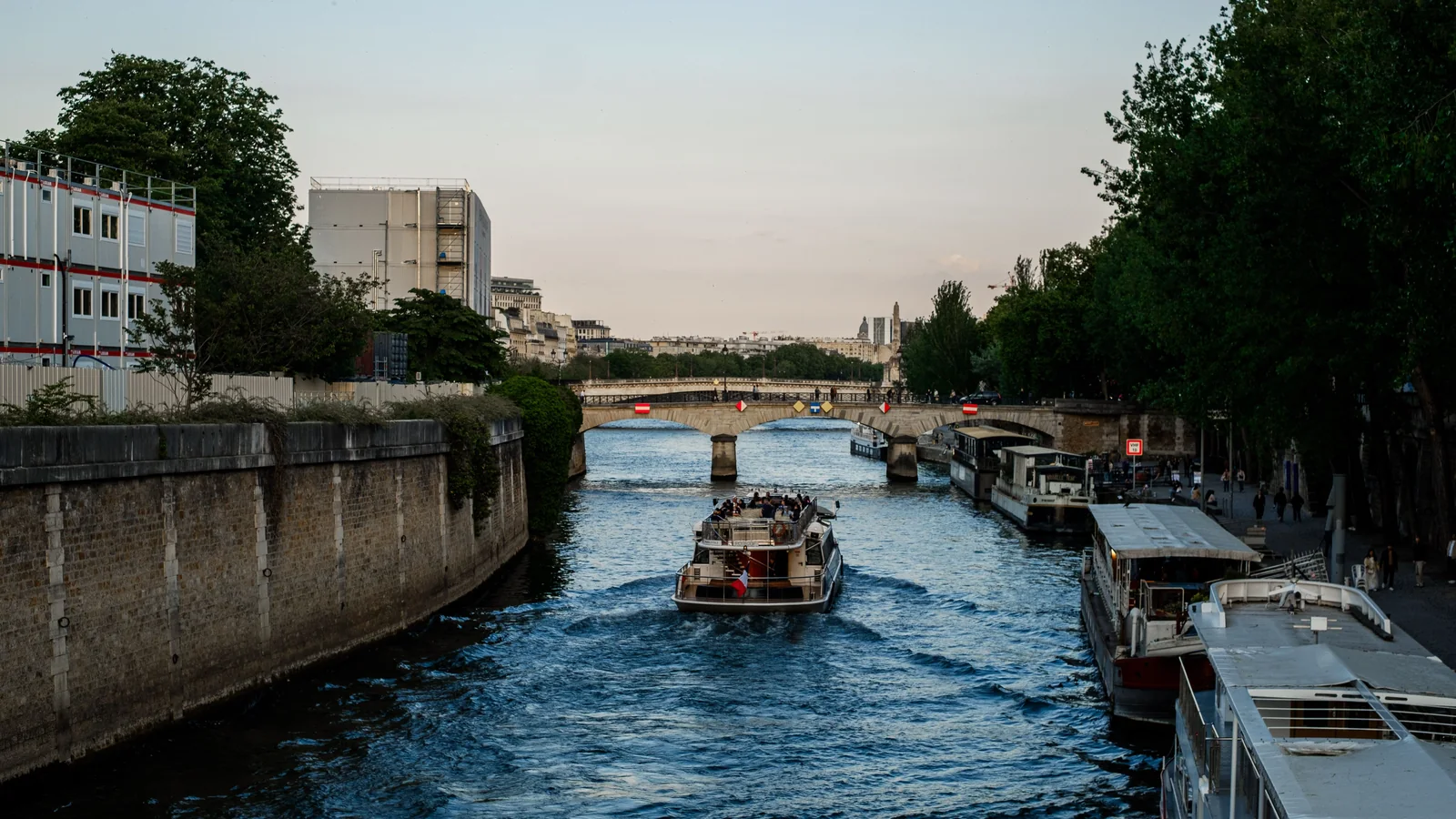
The museum is at 23 rue Madame-de-Sévigné in the Marais. You can make it the centre of a day about Paris history, then choose another activity to suit your group. A museum visit and a Seine cruise have different rhythms; plan them as separate moments rather than assuming a nearby quay or a combined offer.
For a river outing, explore the sightseeing cruises and choose a departure around your own date and timing. If you are planning a group occasion, the private boats page lets you make a separate request. Describe your plans on boat.paris and wait for confirmation of the boat, location and terms before setting the rest of the schedule.
Your checklist
- Choose a thread: shop signs, models, interiors or one period.
- Check the museum’s current rooms and practical information for your date.
- Arrive before the 17:15 last entry.
- Reserve with the museum if you are visiting as a group.
- Leave luggage and large bags elsewhere.
- Plan any cruise or group outing separately.
Sources and references
 Paris news
Christmas at the Tuileries 2026: market or fairground?
From 14 November 2026 to 3 January 2027, choose between the Tuileries market, seasonal treats and attractions. Check the hours before you go.
 A place in Paris
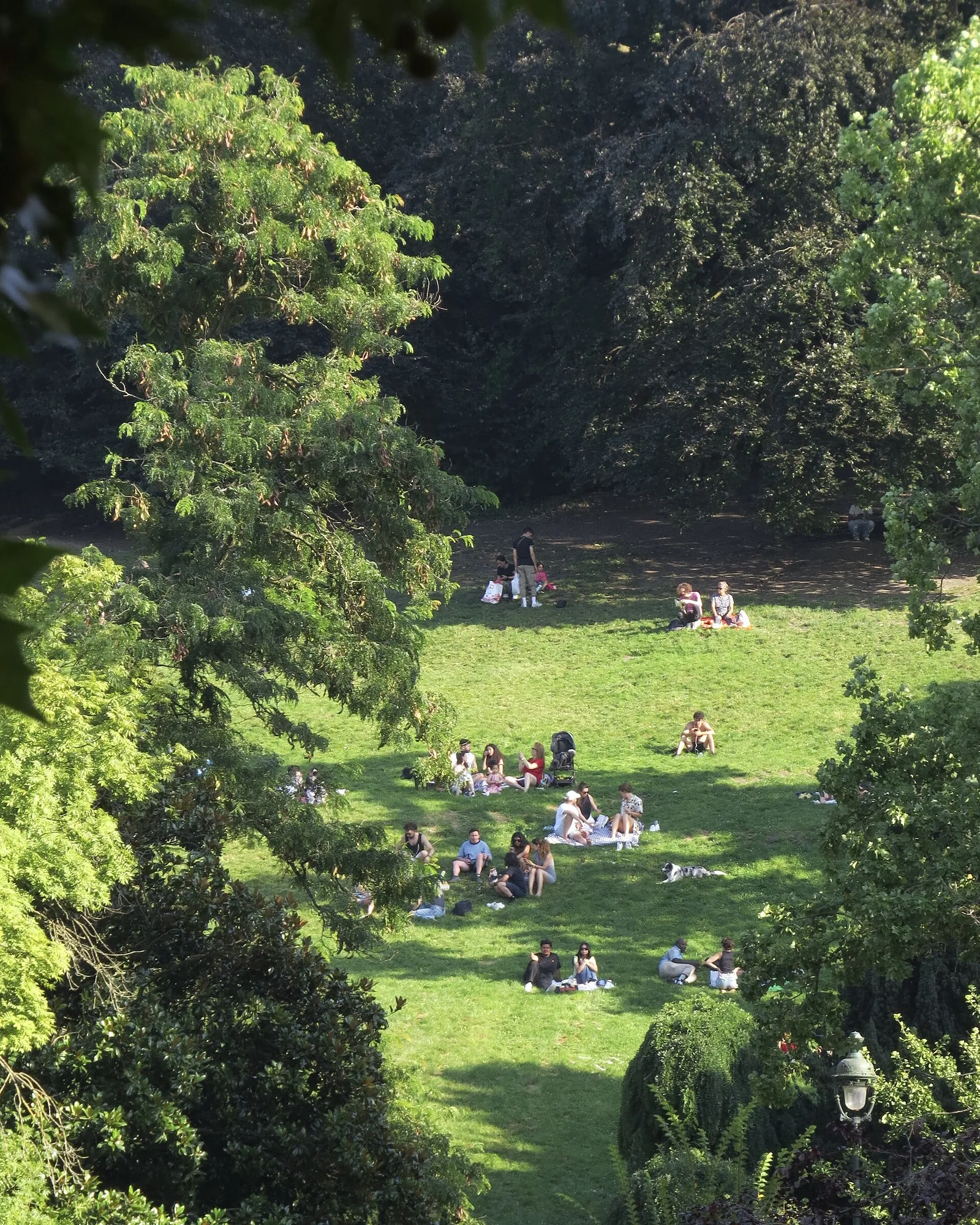
Buttes-Chaumont: a walk through the open areas
A thoughtful walk among the slopes, trees and designed landscape of Buttes-Chaumont, adjusted to current closures.
 Guides
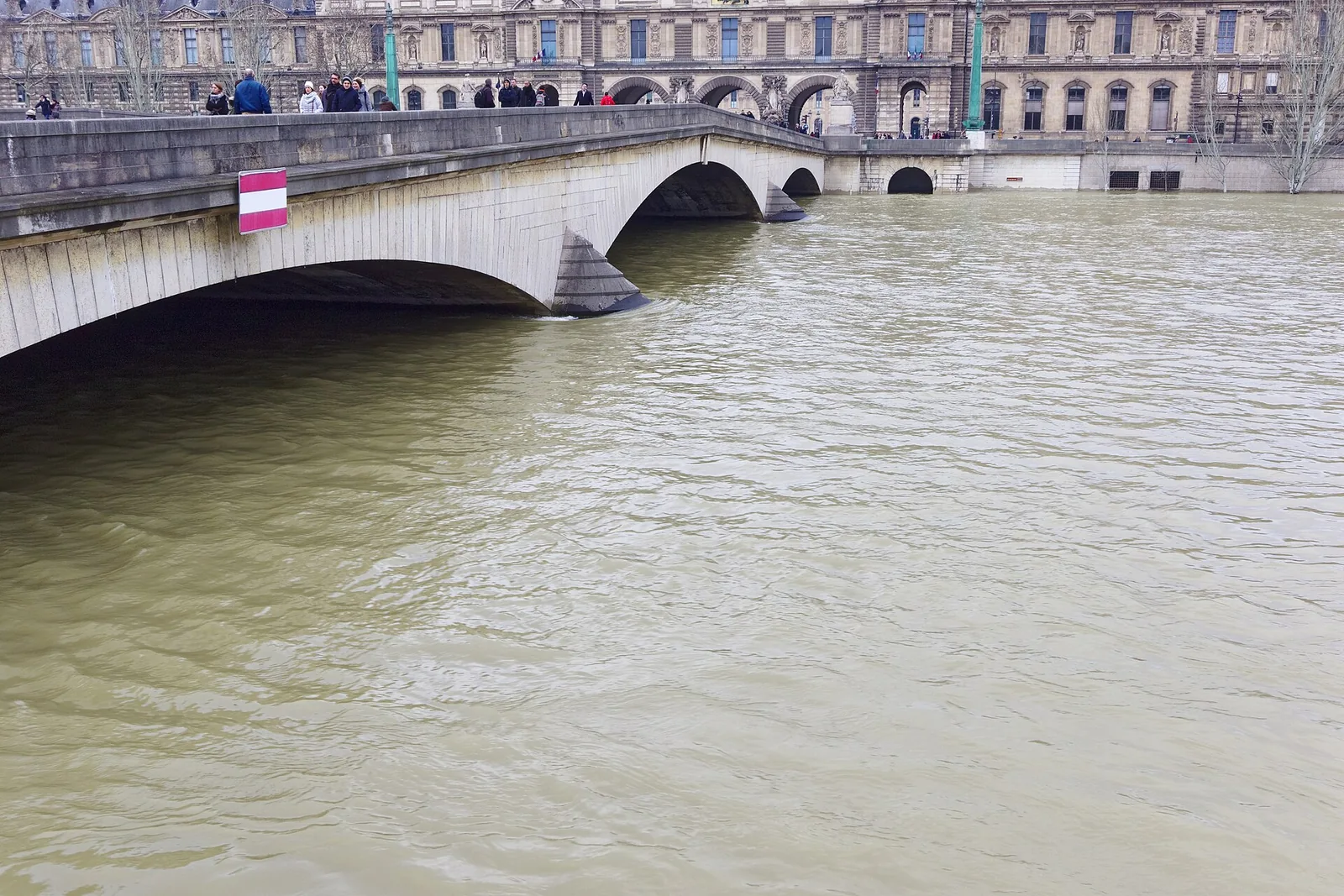
Rain and floods: planning a private boat outing
Rain, rising water or a closed riverbank: practical checks before a private trip on the Seine, without confusing weather with a navigation decision.